
Progression raiding is not only a test of mechanics, coordination, and preparation—it is also a test of emotional control. As encounters become harder and pull counts increase, psychological pressure rises naturally. The Management of Raid Member Anxiety becomes a defining performance factor that separates groups capable of consistent execution from those that collapse under stress.
Anxiety affects reaction time, decision-making, and awareness. Players under pressure hesitate, tunnel on the wrong details, or overreact to perceived danger. These responses lead to Panic Errors—simple mistakes made not from lack of knowledge, but from mental overload. In contrast, teams that manage stress effectively maintain Stable Execution, even deep into long progression nights.
Successful raid leadership recognizes that emotional stability is a resource. Just like mana, cooldowns, or time on the clock, it must be protected and managed deliberately to sustain performance.
The Anxiety–Error Feedback Loop
Raid anxiety rarely appears all at once. It builds gradually through repeated wipes, near-kills, and mounting expectations. A player who makes a small mistake may begin to fear repeating it. That fear narrows focus, increasing the chance of another error. Each failure reinforces the cycle.
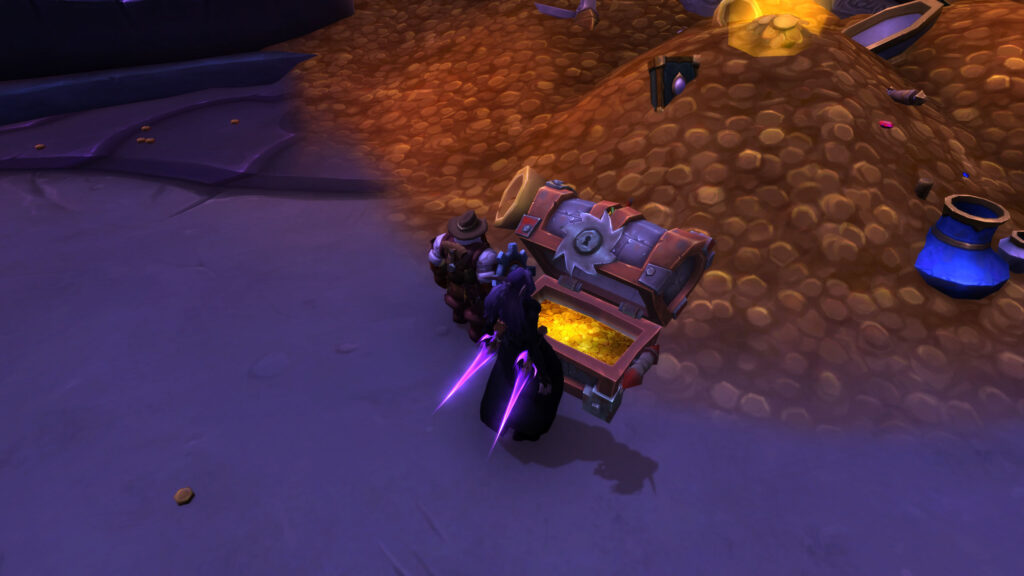
Panic errors are often mechanically trivial: stepping into a known area of danger, missing a taunt swap, forgetting a soak, or using a cooldown too early. These mistakes are rarely caused by ignorance. They are caused by stress disrupting attention and timing.
Stable execution breaks this loop. When players feel supported and clear about expectations, mistakes are processed as data, not personal failures. This mental framing allows learning to continue without emotional escalation.
Leadership’s Role in Emotional Stability
Raid leaders and shotcallers are the primary regulators of raid atmosphere. Their tone, reactions, and communication style directly influence how safe players feel making calls or acknowledging mistakes.
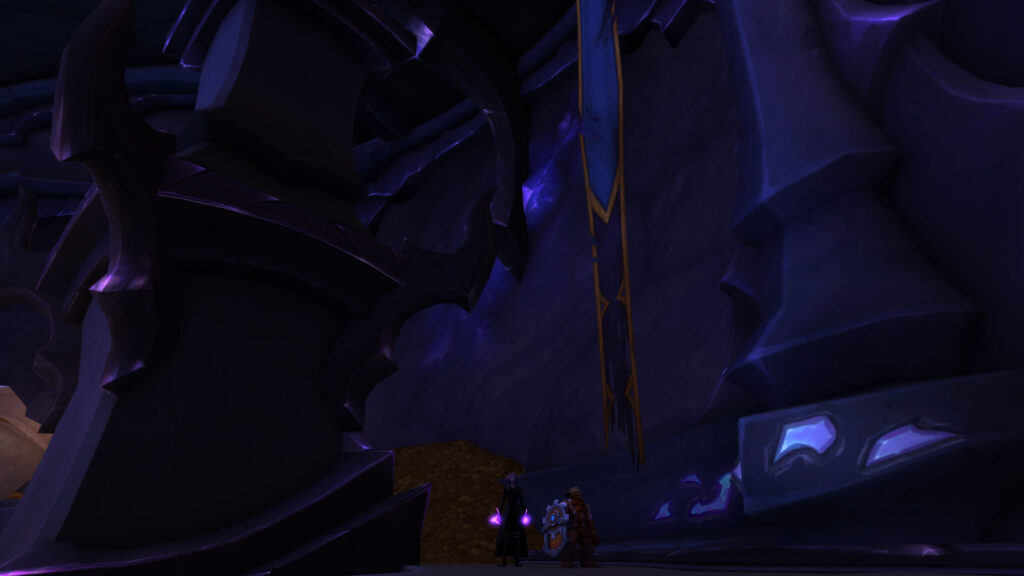
A calm leader acts as an emotional anchor. Even during chaotic moments, steady callouts and measured pacing signal control. When leaders panic, rush explanations, or express frustration openly, anxiety spreads rapidly through the group.
Effective leadership does not eliminate pressure, but it channels it productively—toward focus and execution rather than fear.
Protocols for Managing Raid Anxiety
Managing anxiety requires intentional structure. The following protocols help maintain psychological stability throughout long progression sessions:
- No-Blame Protocol: After a wipe, discussion focuses on what happened, not who failed. Identifying mechanics objectively prevents defensiveness and fear of speaking up.
- Calm, Consistent Callouts: Shotcallers maintain even pacing and tone, providing clarity instead of urgency. This reduces cognitive load during high-pressure moments.
- Scheduled Breaks: Mandatory breaks are taken before frustration peaks. Short resets restore focus and prevent emotional fatigue from compounding.
These protocols work best when applied consistently, not only after tension becomes visible.
Common Anxiety Triggers and Mitigation
Anxiety spikes most often when players feel uncertainty, pressure, or loss of control. Recognizing these triggers allows leaders to intervene early.
| Anxiety Trigger | Resulting Panic Error | Stabilization Strategy |
|---|---|---|
| Fear of blame or judgment | Hesitation to communicate failures | Normalize mistake reporting and reinforce shared responsibility |
| Overly complex explanations | Incorrect movement or missed mechanics | Simplify assignments and reinforce visual cues |
| Near-kill pressure | Premature cooldown usage or panic movement | Reinforce trust in the planned mitigation sequence |
Why Emotional Control Accelerates Progress
Groups that manage anxiety effectively learn faster. Fewer pulls are lost to avoidable mistakes, and feedback remains actionable rather than emotional. Over time, this creates momentum instead of exhaustion.
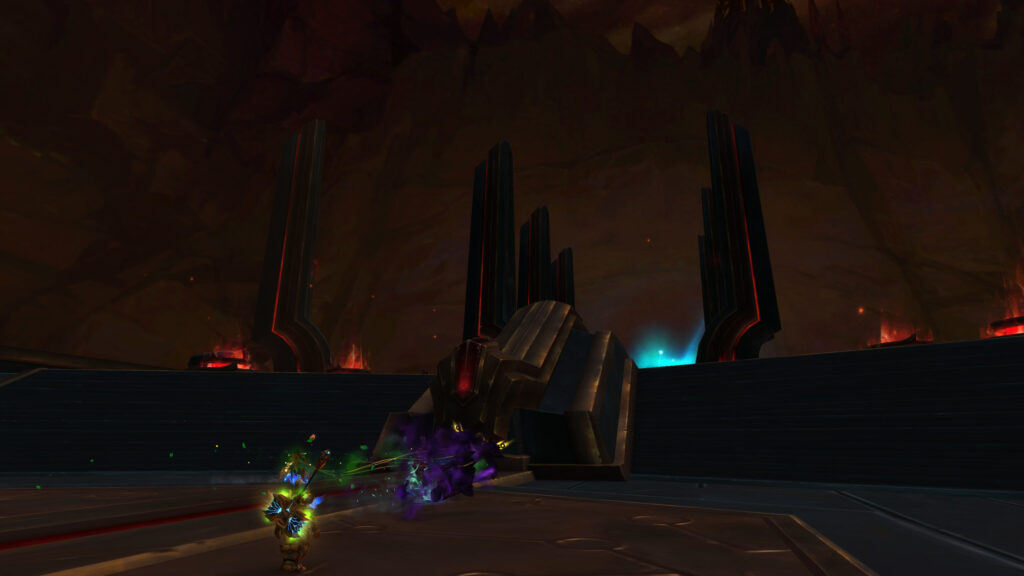
Players in stable environments also show greater resilience. They recover quickly from wipes, remain communicative, and maintain confidence deep into progression nights where other groups would falter.
Conclusion
The management of raid member anxiety is not a soft skill—it is a core performance factor. When emotional pressure is left unmanaged, panic errors undermine even the most mechanically prepared groups.
By cultivating calm communication, objective feedback, and structured breaks, raid leaders protect stable execution. This discipline transforms pressure into focus and allows teams to progress consistently rather than collapse under stress.