
Modern raid encounters are designed to overload attention. Multiple mechanics frequently overlap, forcing players and leaders to make rapid decisions about what matters most in the next few seconds. Raid Encounter Mechanic Fixation is the target priority discipline that determines whether a group succeeds through focused handling or collapses due to dispersed attention.
This discipline is not about ignoring mechanics out of laziness. It is about understanding that not all threats are equal. Some mechanics instantly wipe the group if mishandled, while others apply pressure over time but can be stabilized or delayed. Groups that fail to differentiate between these tiers often spread resources too thin and fail at everything simultaneously.
Effective fixation ensures that the raid commits fully to the most lethal threat first, stabilizing the encounter before addressing secondary issues. This mindset transforms chaos into controlled execution.
Why Simultaneous Mechanics Cause Failures
When two or more mechanics overlap, player instinct often pushes toward solving everything at once. Damage dealers split targets, healers panic-heal multiple sources, and utility is used inefficiently. This creates Dispersed Attention, where no single mechanic is resolved correctly.
Encounters punish this behavior intentionally. A missed interrupt, failed movement check, or unmitigated tank spike usually causes immediate failure, regardless of how well other mechanics were handled. Fixation exists to prevent this outcome.
The Priority of Lethality
Mechanic fixation begins with assessing lethality. The Tier 1 threat is always the mechanic that guarantees a wipe or creates irreversible instability if it fails. Tier 2 threats apply pressure but do not immediately end the pull.
Focused Handling means the raid temporarily accepts manageable damage or inefficiency in order to fully neutralize the Tier 1 threat. This may feel counterintuitive, but it preserves the pull.
Groups that hesitate or compromise between threats often lose both. Fixation demands commitment, not balance.
The Mechanic Fixation Protocol
Fixation must be decisive and usually pre-planned. While improvisation is sometimes required, most successful groups define priority rules in advance.
- Identify the Tier 1 Threat: Determine which mechanic causes an instant wipe or unrecoverable failure if missed.
- Commit Resources Fully: Stuns, interrupts, externals, and movement cooldowns are used without hesitation to eliminate the Tier 1 threat.
- Defer Secondary Mechanics: Tier 2 threats are handled passively, delayed, or stabilized until the primary danger is resolved.
This protocol reduces decision-making during high-pressure moments and prevents resource dilution.
Examples of Effective Fixation
Real encounters regularly test fixation discipline. The following scenarios demonstrate correct prioritization when mechanics overlap:
| Tier 1 Fixation Target | Tier 2 Threat | Focused Handling Outcome |
|---|---|---|
| Mandatory interrupt cast | Background raid damage | Interrupt secured; healers stabilize damage afterward |
| Lethal movement restriction | Non-enraging add spawn | Movement executed cleanly; add damage handled passively |
| Tank buster spike | Minor debuff spread | Tank survives; debuffs resolved once stability returns |
Why Dispersed Attention Wipes Raids
Dispersed attention usually feels reasonable in the moment. Players attempt to multitask, splitting cooldowns and GCDs across multiple problems. Unfortunately, this approach ignores how encounters are tuned.
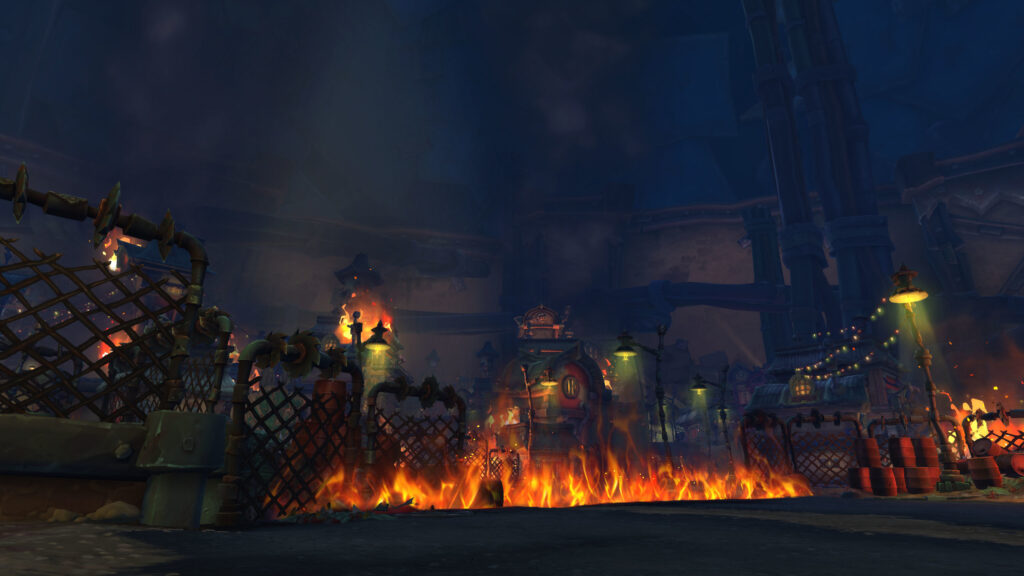
Lethal mechanics are binary. They either succeed or fail. Partial solutions do not exist. When attention is divided, the raid fails the binary check and wipes, regardless of how well other mechanics were managed.
How Fixation Improves Consistency
Groups that master fixation wipe less often and learn faster. Pulls end because of planned limits, not chaotic collapse. This creates clearer feedback, better learning, and more efficient progression nights.
Fixation also reduces panic. Players know what matters most and trust leadership decisions, which stabilizes execution under pressure.
Conclusion
Raid encounter mechanic fixation is the defining target priority skill for complex fights. By identifying and committing fully to the most lethal threat, teams achieve focused handling and preserve encounter stability.
This discipline eliminates the resource waste and execution failures caused by dispersed attention, turning overlapping mechanics from chaos into solvable sequences.