

In any raid or dungeon environment, damage numbers, healing meters, and mitigation logs only matter if a player is alive to produce them. The Discipline of Staying Alive represents the absolute minimum requirement for meaningful participation in group content. Without it, all other performance metrics become irrelevant.
This discipline defines the line between Contribution Uptime—the continuous ability to deal damage, heal, or mitigate—and Zero DPS Downtime, where a player’s output drops to zero due to death, release, or recovery. Every unnecessary death removes a player from the encounter and shifts pressure onto the rest of the group.
High-level play assumes survival competence. Players are expected to manage their health, positioning, and defensive tools proactively so that healers can focus on unavoidable damage and tanks can maintain encounter control. When survival fails, the cost is paid by the entire group.
The Reality of Zero DPS Downtime
Zero DPS Downtime is not a theoretical loss; it is immediate and unrecoverable. A dead player contributes nothing for the remainder of that window, regardless of gear or skill. Unlike rotational mistakes, this loss cannot be corrected later in the pull.
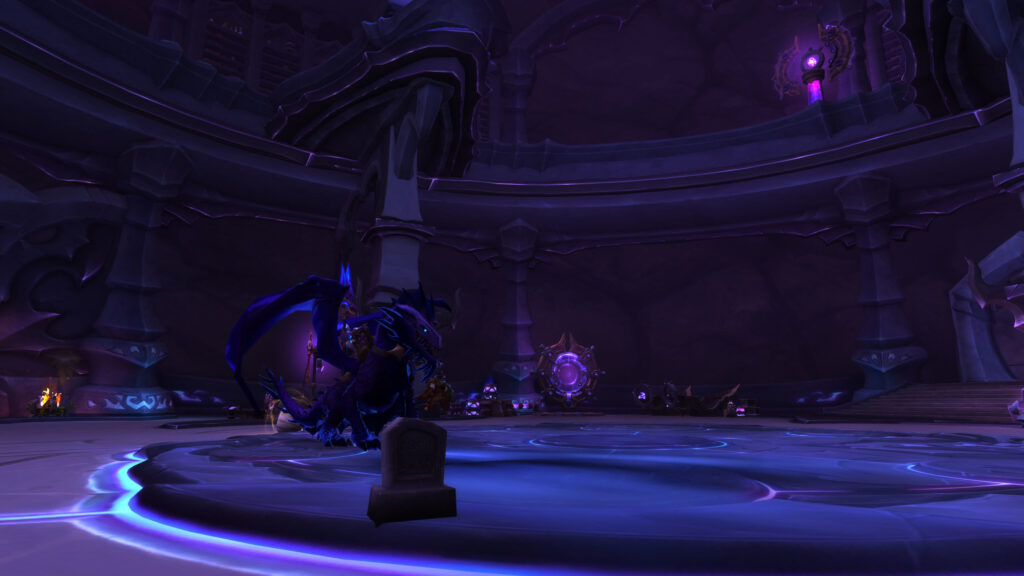
Every second spent dead, waiting for a resurrection, or running back from the graveyard permanently lowers the group’s effective output. In raid encounters with tight damage or healing checks, even short periods of downtime can be the difference between a kill and a wipe.
In addition to lost output, deaths consume shared resources. Healers may burn cooldowns or mana attempting emergency saves, and battle resurrection charges are expended. These resources are limited and often needed later in the fight, making early or unnecessary deaths especially damaging.
Contribution Uptime as a Performance Baseline
Contribution Uptime is the expectation that a player remains active for the full duration of the encounter. This does not mean ignoring mechanics for damage, but rather executing mechanics correctly while staying alive and effective.
Players maintaining uptime provide stable, predictable performance. Healers can plan around known damage patterns instead of reacting to sudden health drops. Tanks can rely on consistent support. Damage dealers can maintain pressure on encounter timers without interruption.
Survival is therefore not a bonus skill. It is the foundation upon which all other contributions are built.
The Self-Preservation Protocol
Staying alive is a personal responsibility. While healers support the group, they cannot compensate for repeated failures to avoid or mitigate damage. The self-preservation protocol consists of several mandatory behaviors:
- Avoidance Protocol: Players must recognize visual and audio cues and move accordingly. Standing in avoidable damage or failing simple movement checks is a direct violation of survival discipline.
- Defensive Discipline: Personal defensives, immunities, shields, and self-heals must be used proactively, not reactively. These tools exist to smooth incoming damage and reduce pressure on healers.
- Positional Awareness: Correct positioning avoids cleaves, environmental hazards, and chain damage effects. Poor positioning increases incoming damage and risks sudden death.
Together, these protocols ensure that unavoidable damage is manageable and avoidable damage is minimized.
The Compounding Cost of Death
An unnecessary death rarely affects only the player who died. Its impact compounds across the group and the remainder of the encounter.
| Failure Event | Immediate Cost | Long-Term Impact |
|---|---|---|
| Avoidable Death | Loss of player output and healer emergency resources | Reduced group stability and higher risk later in the fight |
| Battle Resurrection Use | Consumes a limited shared cooldown | No recovery option for future critical deaths |
| Critical Phase Death | Loss of cooldowns, buffs, and consumables | Guaranteed failure of damage or healing checks |
These costs accumulate quickly during progression, where repeated pulls magnify the consequences of poor survival habits.
Why Survival Discipline Accelerates Progress
Groups that prioritize survival discipline progress faster, even if their raw damage numbers are lower on paper. Fewer deaths mean more learning per pull, better use of cooldowns, and cleaner execution of mechanics.
Players who consistently stay alive also reduce mental load on the group. Leaders spend less time correcting basic mistakes, healers play proactively instead of reactively, and raid nights feel more controlled and productive.
Conclusion
The Discipline of Staying Alive is the minimum requirement for meaningful contribution in group content. Without it, damage, healing, and tanking all collapse into Zero DPS Downtime.
By adhering to avoidance, defensive usage, and positional awareness, players protect Contribution Uptime and remove one of the most common sources of wasted effort. Survival does not win encounters by itself, but without it, encounters are lost before they truly begin.